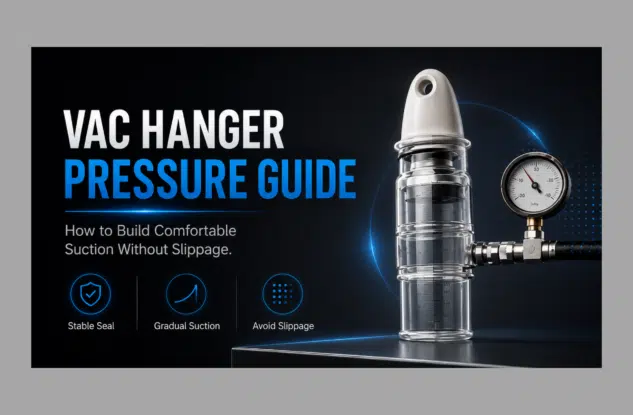
Vac Hanger Pressure Guide: How to Build Comfortable Suction Without Slippage
 By Olivia Spring | 6 August 2026, in Self Improvement
Vac Hanger pressure can make or break the entire vacuum hanging experience. If the suction is too weak, the device may lose its seal or slip during use. If the suction is too strong, the session may feel uncomfortable, harsh, or difficult to control.
The goal is not to use the highest suction possible. The goal is to create a stable, comfortable vacuum seal that supports controlled traction without unnecessary pressure.
For beginners, learning pressure control is one of the most important parts of using a vacuum hanger. This guide explains how Vac Hanger pressure works, how to build suction gradually, how to prevent slippage, and what warning signs mean the setup needs to be adjusted.
What Is Vac Hanger Pressure?
Vac Hanger pressure refers to the suction created inside the vacuum chamber. This suction helps the device stay attached during a traction session.
The Vac Hanger uses vacuum-assisted attachment instead of compression-based grip. This means seal quality, chamber fit, suction control, and comfort all matter before traction is applied.
Pressure should feel stable and controlled. It should not feel painful, sharp, or excessive. A good vacuum setup should hold securely without forcing the user to over-pump.
Why Pressure Control Matters
Pressure control matters because vacuum hanging depends on balance. Too little suction can cause slipping. Too much suction can create discomfort, swelling, numbness, or pressure marks. A good routine should use enough suction to hold the device securely, but not so much that the session becomes uncomfortable.
The right pressure helps support:
- A stable vacuum seal
- Better traction control
- Less slippage
- More comfort during sessions
- Better consistency over time
If users are constantly losing the seal or adding more pressure to fix discomfort, the setup needs to be reviewed.
Suction Is Not the Same as Traction
One of the biggest beginner mistakes is confusing suction with traction. Suction helps the device attach. Traction is the controlled stretching force applied after the device is secure.
More suction does not automatically mean better traction. In fact, using too much suction can make the session less comfortable and harder to repeat.
Users comparing suction-based devices can read this guide on vacuum hanger vs penis pump to better understand the difference between suction for temporary fullness and suction for traction support.
Start with the Right Size
Before adjusting pressure, users should check sizing. A poor fit can cause many pressure problems. If the chamber or sleeve fit is too loose, the user may struggle to maintain a seal. If the fit is too tight, the device may create pressure too quickly or feel uncomfortable before traction even begins.
For users unsure about measurements, the Stealth Sizer Tool can help with extended length and girth sizing before choosing a device. Correct sizing helps create a better seal with less pressure.
Build Suction Gradually
Vac Hanger suction should be built slowly. Beginners should avoid pumping aggressively or trying to reach maximum pressure immediately.
A gradual approach gives the user time to feel how the device responds. It also helps identify leaks, discomfort, or poor placement before traction begins.
The setup should feel secure under light testing before the user adds more tension. If the seal breaks at low pressure, adding more pressure may not solve the real problem. The issue may be placement, moisture, sleeve fit, chamber fit, or glans cap position.
What Comfortable Suction Should Feel Like
Comfortable suction should feel secure, even, and controlled. The device should hold without sharp pressure or sudden discomfort.
A good suction level may feel:
- Stable around the chamber
- Secure without over-pumping
- Even across the contact area
- Comfortable before traction begins
- Easy to maintain without constant adjustment
The user should not feel numbness, coldness, sharp pain, or intense pressure. If any of these signs appear, the session should stop.
Signs the Pressure Is Too Low
Low pressure usually creates seal problems. The device may not stay attached or may feel unstable when light traction is applied.
Signs pressure may be too low include:
- The device slips during light tension
- The seal breaks quickly
- Air leaks are easy to hear or feel
- The chamber shifts during setup
- The user needs constant readjustment
- Traction feels unstable
If pressure feels too low, do not immediately pump harder. First, check the seal, sleeve, glans cap, chamber fit, and positioning.
Signs the Pressure Is Too High
High pressure can make the session uncomfortable and may increase the chance of warning signs.
Signs pressure may be too high include:
- Sharp discomfort
- Numbness
- Coldness
- Swelling
- Unusual discoloration
- Strong pressure marks
- Burning or pinching
- Pain before traction begins
If pressure feels too high, stop the session and release suction carefully. Do not continue just because the device is holding securely.
Why Slippage Happens
Slippage can happen for several reasons. It is not always caused by low pressure.
Common causes include:
- Incorrect sizing
- Poor chamber fit
- Moisture or sweat
- Weak seal contact
- Misaligned glans cap
- Sleeve placement issues
- Too much traction too soon
- Movement during the session
- Worn or stretched components
If slippage keeps happening, users should review the full setup instead of only increasing suction.
How to Prevent Vac Hanger Slippage
Preventing slippage starts before pressure is applied. The device should be clean, dry, properly fitted, and correctly positioned.
Users should make sure the glans cap is seated smoothly, the chamber is aligned, the seal is even, and the device feels stable before applying traction.
For a deeper explanation of glans cap fit, seal support, and comfort, users can read this guide on what a glans cap is.
A stable setup should not require extreme suction. If the device only stays in place with excessive pressure, the fit or setup may need adjustment.
Check the Glans Cap Position
The glans cap plays an important role in comfort and seal quality. If it is folded, twisted, too tight, too loose, or misaligned, pressure may feel uneven.
Before starting a session, users should check that the cap sits smoothly and does not create pinching or friction.
A poor glans cap position may cause air leaks, slipping, discomfort, or unstable pressure. Fixing the cap position can often improve the session without needing more suction.
Check the Sleeve and Seal
The sleeve and seal help maintain vacuum pressure. If they are not seated correctly, air may leak and the device may slip.
Users should inspect the sleeve for folds, gaps, moisture, or wear. A small issue in the sleeve can affect the entire session.
If the seal keeps breaking, the user should reset the device and check the sleeve before increasing pressure.
Check Chamber Alignment
The chamber should sit straight and balanced. If it is angled or twisted, pressure may become uneven.
Poor alignment can also cause seal loss during traction. The device may feel secure at first but shift once tension is applied.
Before increasing suction, users should check that the chamber is centered and stable.
Do Not Over-Pump to Fix a Bad Setup
Over-pumping is one of the most common vacuum hanger mistakes. It may feel like the easiest way to stop slippage, but it can create discomfort and pressure problems.
If the seal is poor, more suction may only hide the issue temporarily. The real solution may be better sizing, cleaner placement, improved seal contact, or a different setup adjustment.
A comfortable vacuum hanger routine should not depend on excessive pressure.
How Much Pressure Should Beginners Use?
Beginners should start with the lowest pressure that creates a stable seal. The exact feeling can vary by user, device fit, and anatomy, so comfort should guide the process.
A beginner should focus on:
- Low pressure
- Short sessions
- Clean setup
- Stable seal
- No pain or numbness
- Easy release after the session
- Normal recovery afterward
Pressure can be adjusted gradually only if the current setup feels stable across multiple sessions.
Pressure and Session Duration
Pressure comfort can change as the session continues. A setup that feels fine at the start may feel uncomfortable later if the session is too long.
Beginners should keep sessions manageable and track how comfort changes over time. If discomfort appears after a certain duration, the user should shorten sessions or review the setup.
More time under pressure is not automatically better. A shorter, comfortable session is more useful than a longer session that creates irritation or poor recovery.
Pressure and Traction Direction
Traction direction can affect how stable the vacuum seal feels. If tension pulls at an awkward angle, the seal may weaken, or pressure may become uneven.
Users should apply traction gradually and make sure the device stays aligned. If the chamber shifts, rotates, or loses seal when tension is applied, the setup should be reset.
Pressure and traction should work together. Suction holds the device. Traction creates the stretching force. Both should feel controlled.
Pressure and Recovery
Recovery is a key part of vacuum hanging. If the user notices swelling, tenderness, irritation, numbness, or poor sensation after a session, pressure may have been too high or the session may have been too long.
Recovery notes should be tracked after each session. If the same issue repeats, the routine should be adjusted before continuing.
A good routine should leave the user feeling normal after rest. Repeated discomfort is a sign to slow down.
Track Pressure-Related Issues
A simple tracking log can help users understand pressure patterns.
Users can track:
- Session date
- Device used
- Suction comfort
- Seal quality
- Air leaks
- Slippage
- Session duration
- Traction level
- Skin condition
- Recovery next day
- Notes for next session
Tracking helps users avoid guessing. If slippage happens only after longer sessions, duration may be the issue. If it happens immediately, fit or seal may be the problem.
Common Vac Hanger Pressure Mistakes
One mistake is starting with too much suction. Beginners may think more pressure means more security, but comfort and seal quality matter more.
Another mistake is ignoring small leaks. A small leak can become a bigger issue once traction starts.
A third mistake is using pressure to compensate for poor sizing. If the fit is wrong, higher suction may not create a reliable or comfortable solution.
A fourth mistake is skipping recovery checks. Pressure-related issues can show up after the session, not only during it.
Vacuum Hanger vs Compression Hanger Pressure
Vacuum hangers and compression hangers use different attachment methods. A vacuum hanger relies on suction and seal quality. A compression hanger relies on grip, wrapping, pads, and controlled pressure around the shaft.
Users comparing the two systems can read this guide on Compression Hanger vs Vacuum Hanger to understand which setup best fits their comfort preferences.
Neither system should feel painful. Both require correct sizing, gradual progression, and careful safety checks.
Safety Signs to Stop Immediately
Users should stop immediately if they notice sharp pain, numbness, coldness, unusual discoloration, swelling, burning discomfort, loss of normal sensation, severe irritation, or pressure that feels intense or uneven.
Please do not continue the session to finish the planned time. Warning signs are signals that the setup needs attention.
For a broader safety breakdown, users can review the Stealth Compression Hanger safety guide, which covers warning signs, setup issues, and responsible traction practices.
How Pressure Fits into a Long-Term Routine
Pressure control is part of long-term consistency. If the device feels uncomfortable, users are less likely to continue. If the setup slips or leaks often, sessions become frustrating.
A good pressure routine should feel repeatable. The user should know how to place the device, build suction slowly, check the seal, apply traction carefully, and stop when needed.
Users who want to understand the broader principles behind traction, tissue response, circulation, and recovery can explore the science behind Stealth products.
Product Support and Common Questions
Vacuum hanging involves multiple setup details, including sizing, seal quality, chamber fit, glans cap placement, suction comfort, and recovery.
For product help, sizing questions, discreet shipping, accessories, and general support, users can visit the official Stealth FAQ page.
Build a More Comfortable Vacuum Routine with Stealth for Men
A better Vac Hanger routine starts with the right size, clean setup, stable seal, controlled pressure, and patient progression. Suction should support the routine, not overpower it.
Stealth for Men offers discreet male enhancement products designed around fit, comfort, traction support, and long-term usability.
Explore Stealth products to find the option that best matches your routine, comfort level, and experience.
Final Thoughts
Vac Hanger pressure should be comfortable, controlled, and stable. The goal is not maximum suction. The goal is a reliable seal that supports traction without discomfort.
If the device slips, leaks, or feels unstable, users should check sizing, sleeve placement, glans cap position, chamber alignment, and traction level before adding more pressure.
If pressure causes pain, numbness, coldness, swelling, unusual discoloration, or poor recovery, the session should stop immediately.
A safer vacuum hanging routine is built through gradual suction, clean setup, careful tracking, and respect for warning signs.
FAQs
How much pressure should I use with a Vac Hanger?
Use the lowest pressure that creates a stable and comfortable seal. Beginners should avoid high suction and focus first on comfort, seal quality, and short sessions.
Why does my Vac Hanger keep slipping?
Slippage may happen because of poor sizing, weak seal contact, moisture, sleeve issues, glans cap misalignment, chamber fit problems, or too much traction too soon.
Should I pump harder if the seal keeps breaking?
Not immediately. First check the glans cap, sleeve, chamber alignment, moisture, and sizing. More suction may not fix a poor setup.
What does comfortable suction feel like?
Comfortable suction should feel secure, even, and controlled. It should not cause pain, numbness, coldness, swelling, or unusual discoloration.
Can too much suction be harmful?
Too much suction can create discomfort, swelling, numbness, pressure marks, or poor recovery. Stop immediately if warning signs appear.
How do I know if the pressure is too low?
Pressure may be too low if the device slips, leaks air, loses seal quickly, or feels unstable during light traction.
Should I track suction comfort after each session?
Yes. Tracking suction comfort, seal quality, slippage, skin condition, and recovery can help users adjust their routine more safely.
 Share
Share
 Tweet
Tweet
 Pin
Pin