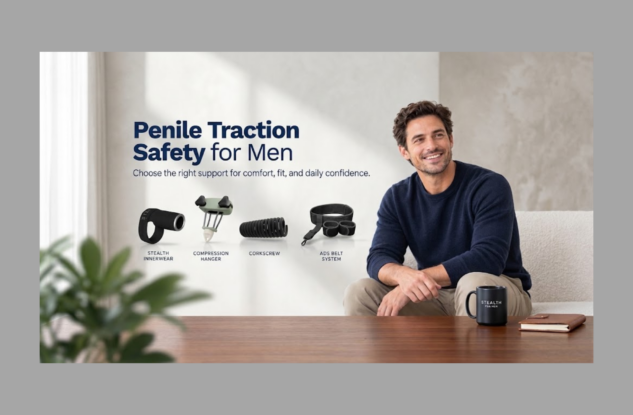
Penile Traction Safety for Men: Fit, Pressure, Circulation, and Recovery Explained
 By Olivia Spring | 16 September 2026, in Self Improvement
Penile traction has become one of the most discussed non-surgical approaches among men looking for structured enhancement routines. Unlike quick-fix products that promise unrealistic results, traction-based devices focus on controlled tension, consistency, and gradual adaptation.
However, safety is the most important part of any traction routine.
A device should never be judged only by how much tension it creates. A successful routine depends on proper fit, controlled pressure, correct positioning, circulation awareness, recovery, and understanding the body’s warning signals.
Many problems happen because users rush. They choose the wrong size, increase tension too quickly, ignore discomfort, or assume that stronger pressure means better progress.
A safer approach is different. It focuses on learning the device, building comfort, and creating a routine that can be followed consistently.
This guide explains the key principles of penile traction safety, including fit, pressure management, circulation, recovery, and what men should know before starting a traction-based routine.
What Is Penile Traction?
Penile traction is a method that uses controlled mechanical tension to support stretching over time. Traction devices are designed to apply a gradual pulling force rather than relying on pills, creams, or surgical procedures.
Medical literature on traction devices shows that they are generally based around gentle, sustained tension rather than aggressive force. Research has mainly focused on selected medical situations, and results depend on factors such as device type, consistency, and proper use.
For everyday users exploring traction-based support, the most important principle remains the same: controlled and comfortable use is more important than maximum intensity.
A traction routine should feel stable and manageable. It should never require users to ignore pain or push through warning signs.
Why Safety Matters More Than Maximum Tension
One of the biggest mistakes beginners make is focusing only on intensity.
A common assumption is that more weight, more suction, or stronger tension will automatically create better outcomes. In reality, excessive force can make a routine harder to maintain and may increase the chance of discomfort.
The body responds better to consistency than aggressive use.
A safer routine focuses on:
- correct sizing
- comfortable positioning
- gradual progression
- regular recovery
- monitoring how the body responds
The goal is not to make a device feel powerful. The goal is to make the routine sustainable.
Correct Fit Is the Foundation of Safety
Before thinking about pressure or tension, users need the correct fit.
A device that does not fit properly can create unnecessary problems. If it is too loose, it may shift, lose stability, or require more tightening. If it is too tight, it may create uncomfortable pressure points.
Fit affects everything:
- How secure the device feels
- How evenly pressure is distributed
- How comfortable longer sessions become
- How easily the user can maintain proper positioning
A well-fitted device should feel secure without feeling restrictive.
For men using Stealth products, the Stealth Sizer Tool helps users understand measurements before selecting the correct setup. Proper sizing reduces guesswork and creates a better foundation for comfort.
Understanding Pressure and Tension
Pressure and tension are two different things.
With compression-based devices, pressure usually comes from grip, wrapping, and contact points. With vacuum-based systems, pressure comes from suction and maintaining a stable seal.
Both systems require control.
More pressure is not automatically better. Excessive pressure can create discomfort, numbness, irritation, or circulation concerns. A safer routine uses only enough pressure or tension to maintain a stable setup.
The device should feel controlled, not overwhelming.
Compression Hanger Safety Considerations
Compression-based traction systems rely on grip and controlled attachment. Because the device applies force through contact points, correct wrapping, positioning, and pressure distribution are important.
The Compression Hanger is designed around controlled traction using compression pads and a structured setup process.
Users should take time to understand placement before increasing intensity. A rushed setup can create uneven pressure, discomfort, or instability.
The first goal should always be learning:
- How the device sits
- How the grip feels
- How the body responds
- How long comfortable wear can be maintained
A strong foundation creates a safer progression.
Vacuum Hanger Safety Considerations
Vacuum-based traction works differently. Instead of compression grip, it uses suction and seal quality to maintain attachment.
The Vac Hanger requires attention to chamber fit, seal stability, suction control, and comfort.
A common mistake is adding more suction when the seal is not working correctly. However, a poor seal is often caused by positioning, sizing, moisture, or setup issues rather than insufficient pressure.
Before increasing suction, users should review the complete setup.
A comfortable vacuum routine should feel secure without excessive pressure.
Circulation and Comfort Checks
Circulation awareness is one of the most important parts of traction safety.
During use, men should pay attention to how the body feels. The device should not create sensations that indicate excessive pressure or restricted circulation.
Warning signs can include:
- Numbness
- Coldness
- unusual discoloration
- sharp discomfort
- Swelling
- burning sensations
If these signs appear, the device should be removed and the setup should be reviewed.
Comfort is not something to ignore. It is feedback from the body.
Pain Is Not a Sign of Progress
One of the most harmful misconceptions about traction is that discomfort means the routine is working.
Pain is not a measurement of effectiveness.
A safe traction routine should feel controlled. Mild awareness of a device may be normal, but sharp pain, intense pressure, or loss of normal sensation should never be considered part of the process.
Users should avoid the mindset of “pushing through.” Long-term consistency depends on protecting comfort.
The Importance of Gradual Progression
Beginners often want to progress quickly. They may increase tension, duration, or pressure before their body has adapted.
This usually creates unnecessary problems.
A better approach is gradual progression. Users should first become comfortable with the device, then slowly adjust based on how the body responds.
A routine should only progress when:
- The current setup feels comfortable
- Recovery is normal
- The device remains stable
- No warning signs appear
Progress should be earned through consistency, not rushed through intensity.
Recovery After Traction Sessions
Recovery is an essential part of traction.
After a session, users should allow the body time to return to normal. This means paying attention to comfort, skin condition, sensitivity, and overall recovery.
If the body feels normal afterward, the routine is more likely to remain sustainable.
If discomfort continues into the next day, the user should review:
- The device fit
- The pressure level
- The session duration
- The tension amount
Recovery feedback helps users understand whether their routine is appropriate.
Warm-Up and Tissue Comfort
Some users include warmth as part of their preparation or recovery routine. The goal is usually comfort and relaxation before stretching rather than increasing intensity.
The Graphene Heat Pad is designed to provide targeted warmth and FIR heat support as part of a comfort-focused routine.
Heat should always feel comfortable. It should never be used to hide discomfort or allow a user to continue through warning signs.
Preparation supports a better routine, but it does not replace correct sizing or safe usage.
Skin Care and Device Hygiene
Skin comfort is another important part of traction safety.
Repeated contact, pressure, moisture, and friction can affect the skin. Users should keep devices clean, inspect contact areas, and avoid continuing if irritation develops.
A clean and well-maintained device is more comfortable and easier to use consistently.
Small problems should be addressed early. Waiting until irritation becomes severe can make recovery longer.
Common Traction Mistakes Beginners Make
Many beginners struggle not because of the device itself, but because of avoidable mistakes.
Some common mistakes include choosing the wrong size, increasing tension too quickly, ignoring discomfort, skipping recovery, or using the device without understanding the setup.
Another mistake is comparing progress with others. Every person responds differently. Body type, routine consistency, comfort level, and starting point all vary.
A safer mindset is personal progress, not competition.
How Traction Fits Into a Larger Male Enhancement Routine
Traction does not need to be the only part of a male enhancement routine.
Some users combine structured traction sessions with daily support products. Others focus first on anti-turtling support and comfort before moving toward more advanced routines.
For men interested in discreet daily support, Stealth Innerwear is designed around anti-turtling comfort and a more extended flaccid profile during daily wear.
Different products serve different purposes. The right routine depends on the user’s goals.
Traction Safety and Realistic Expectations
Safety also means having realistic expectations.
Traction routines are not instant solutions. They require patience, consistency, and responsible use. Users should be cautious of products or claims that promise dramatic results quickly.
The most reliable approach is understanding the process and following a routine that feels manageable.
A good routine should improve confidence and comfort, not create stress or pressure.
When Users Should Stop and Seek Advice
Men should stop using a traction device if they experience:
- Persistent pain
- Loss of sensation
- Significant swelling
- Unusual color changes
- Skin injury
- Symptoms that do not improve after stopping
Anyone with existing medical concerns, injuries, circulation problems, or uncertainty about device use should speak with a qualified healthcare professional before starting.
Safety always comes before routine progression.
Understanding the Science Behind Traction
Traction-based routines are built around concepts such as controlled tension, tissue response, adaptation, and recovery.
Users who want to understand these principles in more detail can explore the science behind Stealth products.
Understanding the “why” behind a routine helps users make better decisions about comfort, progression, and consistency.
Product Support and Common Questions
Choosing a traction product depends on many factors, including goals, comfort preference, sizing, experience level, and routine style.
For product guidance, sizing questions, compatibility, discreet shipping, and general support, users can visit the official Stealth FAQ page.
Build a Safer Traction Routine with Stealth for Men
A successful traction routine is not built on maximum force. It is built on understanding the body, choosing the correct fit, using controlled pressure, and allowing proper recovery.
Stealth for Men provides discreet male enhancement products designed around comfort, support, fit, and structured routines.
Explore the Stealth product range to find the option that matches your goals and comfort level.
Final Thoughts
Penile traction safety comes down to one simple principle: controlled consistency beats aggressive intensity.
The safest users are not the ones who push the hardest. They are the ones who understand their equipment, respect warning signs, maintain proper fit, and allow recovery.
Whether using a compression-based device, vacuum-based system, or daily support product, comfort should always remain the priority.
A responsible routine is one that feels sustainable, controlled, and realistic.
FAQs
Is penile traction safe?
Penile traction can be used safely when the device is properly fitted and used according to instructions. Incorrect sizing, excessive pressure, or ignoring discomfort can increase risks.
Does more tension mean better results?
No. More tension does not automatically mean better outcomes. A controlled and consistent routine is more important than maximum pressure.
What are warning signs during traction?
Pain, numbness, coldness, unusual discoloration, swelling, burning sensations, or skin irritation are signs that the routine should be stopped and reviewed.
How important is sizing?
Sizing is extremely important because it affects comfort, stability, pressure distribution, and overall safety.
Should beginners start with high tension?
No. Beginners should focus on learning the device, achieving a comfortable setup, and progressing gradually.
Can I combine daily support with traction?
Some users combine daily support products with structured traction routines. The approach should remain comfortable and should not overload the body.
When should I speak with a doctor?
Speak with a qualified healthcare professional if you experience persistent pain, injury, circulation concerns, erectile changes, or symptoms that do not improve after stopping use.
 Share
Share
 Tweet
Tweet
 Pin
Pin