The Ultimate Guide to Choosing the Best Ball Stretcher for Comfort and Effectiveness
 By Olivia Spring | 12 March 2026, in Self Improvement
Ball stretchers are wearable devices designed to sit around the upper scrotum and apply downward tension. Some men use them for a lower-hanging appearance, physical sensation, personal aesthetics or as part of a gradual scrotal-stretching routine.
But choosing a ball stretcher is not as simple as buying the heaviest weight available.
Different devices use silicone, leather, neoprene, stainless steel, magnetic clasps or added weights, and they can feel very different in everyday use. Fit, pressure, material, weight and experience level all matter.
This guide explains what ball stretchers do, whether ball stretching works, the differences between silicone and weighted ball stretchers, what beginners should know, realistic results, potential risks and how to choose a device more responsibly.
What Is a Ball Stretcher?
A ball stretcher is a wearable ring, band or weighted device placed around the upper scrotum above the testicles. Its purpose is to apply controlled downward tension to the scrotal skin. Designs range from flexible silicone rings to heavier stainless-steel ball weights intended for more experienced users.
You may also see these products described as:
- ball stretchers;
- ball weights;
- testicle stretchers;
- scrotum stretchers;
- ball stretcher rings;
- weighted ball stretchers;
- ball stretching devices;
- male ball stretchers.
Although the terminology varies, the basic concept is similar: the device creates downward tension around the scrotum. What changes considerably is how much tension it produces, how easily it can be removed, how comfortable it feels and how suitable it is for a beginner.
Why Do People Use Ball Stretchers?
People use ball stretchers primarily to create a lower-hanging scrotal appearance, experiment with physical sensation or gradually increase tolerance to downward tension. Some users also describe them as part of a personal male-enhancement routine, although medical or hormonal benefits should not be assumed without reliable evidence.
Common motivations include:
A Lower Scrotal Hang
The most common goal is usually appearance. Repeated gentle tension may temporarily make the scrotum appear lower or looser, particularly during and shortly after use.
Physical Sensation
Some users like the feeling of added downward pressure or weight. The experience can vary substantially based on material, temperature, anatomy and weight.
Personal Confidence
For some men, genital appearance affects personal confidence. That is subjective, but it is one reason people research ball stretching devices.
Progressive Stretching
Experienced users sometimes move from flexible rings to heavier devices in an attempt to gradually increase scrotal stretch. This is where caution becomes particularly important, because greater weight also means greater mechanical stress.
Does Ball Stretching Actually Work?
Ball stretching can create downward tension and may temporarily produce a lower or more relaxed scrotal appearance. However, there is limited high-quality clinical research establishing how much permanent scrotal lengthening occurs, how long it takes or which stretching protocol is most effective. Individual results should therefore not be guaranteed.
This question has two different meanings.
Does a Ball Stretcher Create a Lower Hang While You Wear It?
Mechanically, yes. A weighted or fitted device applies downward force, so the scrotum will generally sit differently while that force is present.
Does Ball Stretching Permanently Lengthen the Scrotum?
That is much harder to answer. You will find many personal reports, forum discussions and before-and-after photos online, but those are not the same as controlled clinical evidence.
Variables such as:
- temperature;
- hydration;
- body position;
- stress;
- arousal;
- time of day;
- device weight;
- measurement method
can substantially affect how the scrotum looks at any particular moment. For that reason, claims such as “gain X inches in X weeks” should be treated cautiously unless supported by reliable product-specific research.
Do Ball Stretchers Work Permanently?
Permanent results from ball stretching are not well established in clinical research. Some long-term users report a lower resting hang after consistent stretching, but the extent, permanence and timeline vary greatly. A temporary stretched appearance during or after use should not automatically be interpreted as permanent anatomical change.
If your goal is long-term change, keep three things in mind.
First, tissue adaptation generally occurs gradually.
Second, stronger force is not automatically better.
Third, permanent changes should not be promised based only on anecdotal before-and-after photographs. The most responsible way to assess results is to use consistent conditions and track changes over time rather than comparing random photos.
How Long Does Ball Stretching Take to Show Results?
There is no scientifically established universal timeline for ball-stretching results. Temporary changes in scrotal position may be noticeable immediately, while any longer-term changes reported by users generally involve repeated use over a much longer period. Results depend on anatomy, device type, force and consistency.
A better way to think about progress is:
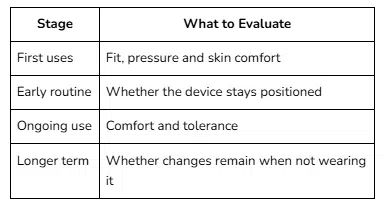
Avoid chasing rapid results by dramatically increasing weight. The tissues of the scrotum surround structures that require adequate blood flow and protection.
Ball Stretchers for Beginners: What Should You Start With?
Beginners should generally prioritize comfort, adjustability and easy removal rather than maximum weight. Flexible silicone, soft elastomer or lightweight adjustable devices are usually easier to evaluate than heavy stainless-steel ball weights because they allow users to learn how their body responds to pressure.
A beginner ball stretcher should ideally be:
- easy to remove;
- comfortable around the skin;
- not excessively tight;
- light enough to avoid aggressive downward force;
- correctly sized;
- made from a material intended for prolonged skin contact.
What Beginners Should Avoid
Starting with a very heavy ball stretcher just because it promises faster results is a poor strategy. More load increases mechanical stress and may also make it harder to recognize when the fit itself is wrong. The first goal should be learning what comfortable, non-restrictive tension feels like.
Types of Ball Stretchers
There is no single best ball stretcher for everyone. The best option depends on your experience level, comfort preferences, intended wear time and whether you want flexible support or additional weight.
Silicone Ball Stretchers
Silicone ball stretchers are flexible devices designed to stretch around the scrotum without the rigid weight of metal. Their flexibility can make them easier for beginners to experiment with, provided the diameter and tension are appropriate.
Potential advantages include:
- flexible fit;
- lightweight construction;
- simple cleaning;
- less bulk than metal weights;
- generally easier removal.
Their limitation is that flexible silicone provides relatively little added weight. That may be a benefit for beginners but a disadvantage for someone specifically looking for progressive weighted stretching.
Rubber or Elastomer Ball Stretchers
Rubber-like stretchers operate similarly to silicone designs, although material quality varies substantially. If choosing this category, look for clear information about the material rather than buying an unidentified rubber blend.
Neoprene Ball Stretchers
Neoprene ball stretchers use soft fabric-like material rather than rigid metal. They can provide a broader contact surface and may feel less aggressive than hard devices, but fit and heat retention should still be considered.
They may appeal to users prioritizing:
- softness;
- flexibility;
- wider pressure distribution;
- lightweight wear.
Leather Ball Stretchers
Leather designs commonly use snaps or other adjustable closures. Their biggest advantage is adjustability. Instead of forcing anatomy through a fixed-diameter rigid ring, users can often secure the device around the scrotum. Leather also requires more maintenance than silicone or stainless steel.
Metal Ball Stretchers
Metal ball stretchers are rigid devices, often made from stainless steel or similar materials, that combine a fixed ring with additional weight. Because they apply more load and cannot stretch to accommodate movement, they are generally more appropriate for experienced users than beginners.
Metal ball weights can differ dramatically in:
- diameter;
- height;
- weight;
- closure mechanism;
- finish;
- material quality.
A heavier device should not automatically be considered a better one.
Stainless Steel Ball Stretchers
Stainless-steel designs are popular because the material is durable, smooth and naturally heavy. But the user’s priority should still be proper fit. A perfectly manufactured stainless-steel stretcher can still be inappropriate if its diameter or weight is wrong for the individual.
Magnetic Ball Stretchers
Some ball stretchers use magnetic closures because they can make attachment and removal more convenient. The magnet itself, however, should not automatically be interpreted as proof of medical benefits. If a manufacturer makes claims about magnetic therapy, circulation or tissue recovery, those claims should be evaluated separately from the simple mechanical function of the product.
Weighted Ball Stretchers vs Silicone Ball Stretchers
Silicone ball stretchers are usually lighter and more flexible, while weighted ball stretchers create stronger downward force. Beginners generally benefit from prioritizing comfort and fit, whereas experienced users who specifically want progressive loading may prefer carefully selected weighted designs.
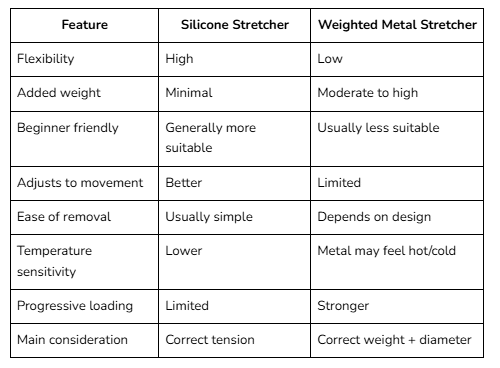
The most important takeaway: Choose according to experience and comfort—not according to which product looks most extreme.
What Is a Weighted Ball Stretcher?
A weighted ball stretcher combines a ring or collar around the scrotum with additional mass that creates downward force. Weight may be built directly into a stainless-steel ring or added progressively through attachments. Greater weight increases tension but also increases the importance of correct fit and careful monitoring.
Searches such as:
- weighted ball stretcher;
- ball stretcher weight;
- heavy ball stretcher;
- metal ball weights;
- ball weights for men
all represent essentially the same intent. Users are trying to understand whether more weight produces better results. The answer is not necessarily. A device should create tolerable tension without causing concerning symptoms.
How Heavy Should a Ball Stretcher Be for a Beginner?
There is no medically established universal beginner weight because anatomy, fit and device design vary. A beginner should not select a device solely by chasing a specific number of ounces or pounds. Start with the lowest practical mechanical load for the product category and prioritize comfort and easy removal. This is an area where online communities frequently provide extremely specific numbers. Those numbers should not be treated as medical standards.
The correct level is one that does not create:
- significant pain;
- numbness;
- marked discoloration;
- coldness;
- swelling;
- loss of normal sensation.
If those occur, remove the device.
How to Put on a Ball Stretcher
How a ball stretcher is applied depends on its design. Flexible rings, magnetic devices, snap closures and solid metal weights all work differently. Follow the manufacturer’s instructions rather than forcing a device into place or copying techniques intended for another product.
As a general safety framework:
- Make sure the device is clean and undamaged.
- Use it when the scrotal tissue is relaxed rather than tightly contracted.
- Position the device according to its manufacturer’s instructions.
- Do not force a device that feels too small.
- Check that the device feels secure without severe compression.
- Recheck skin color, warmth and sensation after putting it on.
- Remove it if you develop persistent pain, numbness, significant swelling or unusual discoloration.
For any rigid weighted device, being able to remove it promptly matters just as much as getting it on.
How Long Should You Wear a Ball Stretcher?
There is no universal medically established wear time for ball stretchers. Duration should depend on the device, its weight, the manufacturer’s instructions and individual comfort. Beginners should avoid assuming that longer wear produces faster or better results.
Be especially cautious with:
- heavy weights;
- rigid rings;
- devices that are difficult to remove;
- devices worn during vigorous activity;
- any setup that produces persistent pressure.
The existing article’s statement that “experts suggest starting at 1–2 hours” is too broad without identifying the expert or protocol.
A better recommendation is:
Follow the specific device instructions and use comfort, normal sensation and normal appearance as important warning signals.
Are Ball Stretchers Safe?
Ball stretchers are not risk-free. Excessive pressure, excessive weight or prolonged compression can cause pain, bruising, swelling, numbness, skin injury or impaired circulation. Sudden severe testicular pain, major swelling or unusual discoloration requires medical attention rather than simply adjusting the device.
The testicles depend on healthy blood flow.
Compression injuries involving the scrotum can interfere with circulation, which is why extreme or prolonged constriction should not be treated casually.
Stop Using the Device If You Notice
- significant or increasing pain;
- numbness;
- persistent tingling;
- unusual coldness;
- marked redness, purple or dark discoloration;
- significant swelling;
- skin injury;
- loss of normal sensation.
Sudden severe testicular pain can also have causes unrelated to the device, including testicular torsion, which is a medical emergency. Do not try to “stretch through” severe pain.
Is Ball Stretching Healthy?
Ball stretching should not be described as inherently healthy or medically beneficial. It is primarily a mechanical or aesthetic practice. Claims that it improves testosterone, fertility, circulation or reproductive health require specific evidence and should not be assumed simply because the scrotum is being stretched. This distinction is important. A user may personally enjoy the appearance or sensation associated with ball stretching without the practice needing to provide a medical benefit.
If your reason for researching ball stretchers is:
- low testosterone;
- infertility;
- erectile dysfunction;
- testicular pain;
- swelling;
- a testicular lump;
- a new genital change,
speak with a qualified healthcare professional rather than trying to treat the issue with a stretcher.
Does Ball Stretching Increase Testosterone?
There is no established evidence that wearing a ball stretcher reliably increases testosterone. Testosterone is produced by Leydig cells in the testicles and regulated through the body’s endocrine system. Mechanical stretching of the scrotum should not be presented as a proven testosterone-boosting treatment. This is an important content gap because “ball stretching testosterone” is already appearing in your GSC query data. The correct SEO strategy is to answer it clearly rather than reinforce an unsupported claim.
Can Ball Stretching Improve Circulation?
A ball stretcher physically changes how pressure is distributed around the scrotum, but this does not mean every device improves circulation. In fact, an excessively tight device can do the opposite by creating compression.
Claims about improved circulation should therefore be made only when supported by appropriate evidence for the specific product or technology.
What Results Can You Expect From Ball Stretching?
The most immediate result of ball stretching is a change in scrotal position while tension is being applied. Some users report a lower baseline hang with repeated use, but permanent changes have not been well quantified in controlled research. Results vary widely and should not be guaranteed.
A useful expectation framework is:
More Realistic Expectations
- additional downward tension while wearing a weighted device;
- temporary lower-hanging appearance;
- increasing familiarity with the sensation;
- differences in comfort between materials.
Highly Individual Outcomes
- long-term resting hang;
- how quickly tissue adapts;
- preferred amount of weight;
- tolerance for longer wear.
Claims That Should Not Be Guaranteed
- a specific number of inches;
- permanent enlargement in a set number of weeks;
- increased testosterone;
- improved fertility;
- stronger erections;
- treatment of a medical condition.
Ball Stretching Before and After Photos: Are They Reliable?
Ball-stretching before-and-after photos can provide personal context, but they are difficult to standardize because scrotal position changes naturally with temperature, stress, body position and other conditions. Photos should therefore be considered anecdotal evidence unless measurements are taken consistently under comparable conditions.
If documenting your own progress, try to keep:
- room temperature similar;
- body position consistent;
- measurement method consistent;
- time of day similar;
- device-free rest time similar before measuring.
This produces a much more meaningful comparison.
What Is the Best Ball Stretcher?
The best ball stretcher is the one that fits correctly, matches your experience level, can be removed easily and produces manageable tension without concerning symptoms. Beginners generally benefit from softer, lighter designs, while experienced users may choose carefully sized weighted or metal systems.
Instead of asking only:
“Which ball stretcher is heaviest?”
evaluate:
Fit
Too loose and it may slip.
Too tight and it may create excessive compression.
Material
Silicone, leather, neoprene and stainless steel each behave differently.
Weight
Extra weight means extra mechanical load.
Closure
Magnetic, snap, screw-apart and flexible designs have different advantages.
Removal
You should understand how to remove the device before putting it on.
Cleaning
Anything worn directly against genital skin should be straightforward to clean according to the manufacturer’s instructions.
Best Ball Stretcher for Beginners
For beginners, the best device is usually one that emphasizes:
- lower mechanical load;
- flexibility;
- predictable sizing;
- easy removal;
- body-contact materials suitable for the intended use.
A very heavy stainless-steel stretcher is rarely the most sensible place to learn how your body reacts to scrotal tension.
Are Heavy Ball Stretchers Better?
Heavy ball stretchers create stronger downward force, but stronger force does not automatically produce better or faster results. Increased weight also increases mechanical stress and may raise the likelihood of discomfort or injury if the device is poorly fitted or used excessively. Progress should not be measured only by how much weight you can tolerate. Comfort and tissue response matter more.
Can You Make a Homemade Ball Stretcher?
DIY ball stretchers are difficult to size and load predictably, and improvised materials may create uneven compression, sharp pressure points or a device that cannot be removed quickly. For that reason, homemade constriction or weighted devices around the scrotum are not something we recommend.
Searches such as:
- homemade ball stretcher;
- DIY ball stretcher;
- DIY ball stretching;
- DIY ball stretcher weight
show genuine interest.
But providing a step-by-step construction guide would ignore the most important issue: an improvised genital compression device can behave unpredictably. A purpose-designed product with known dimensions and a reliable release mechanism is the more controlled option.
Metal vs Silicone vs Leather Ball Stretchers
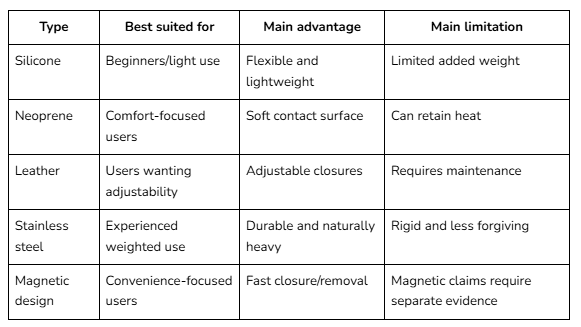
There isn’t one universally superior material. The right material depends on the user’s goal.
Where Does the Stealth Mag-Volt 2.0 Fit In?
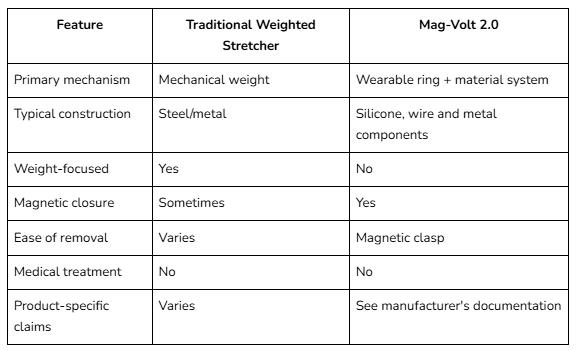
The Stealth Mag-Volt 2.0 is different from a traditional heavy metal ball stretcher. Stealth describes it as a silicone-housed wearable device incorporating magnetic clasps plus zinc, copper and silver components. It is marketed around male wellness and microcurrent concepts rather than simply adding substantial mechanical weight.
The Mag-Volt 2.0 uses:
- medical-grade silicone housing;
- stainless-steel wire;
- magnetic clasps;
- zinc components;
- copper;
- silver-plated magnets.
Stealth describes the interaction of these materials as creating a low-level galvanic current during skin contact. It is important, however, to separate how the product is constructed from what has been clinically proven.
The Mag-Volt 2.0 product page itself states that it is not a medical device and is not intended to diagnose, treat or cure any medical condition. If you want to explore the construction and intended use, see the Stealth Mag-Volt 2.0. For additional background behind Stealth product concepts, you can also review the Stealth For Men Science section.
What Makes the Mag-Volt Different From a Heavy Ball Weight?
The biggest difference is purpose. A conventional weighted steel stretcher relies primarily on gravity and mechanical load. The Mag-Volt is positioned as a lighter wearable system incorporating several conductive metals and magnetic closures rather than as a large suspended weight. That means the two should not be evaluated in exactly the same way.
How to Choose the Right Ball Stretcher
Choose a ball stretcher according to your experience level, anatomy, desired amount of tension, material preference and ability to remove the device safely. Fit and comfort are more important than selecting the heaviest or most extreme option.
Use this simple framework:
Step 1: Define Your Goal
Are you looking for:
- light tension;
- a lower appearance;
- weighted stretching;
- comfort during everyday wear;
- something easy to remove?
Step 2: Choose a Material
Beginners may prefer flexible materials.
Experienced users may evaluate rigid devices.
Step 3: Measure According to the Product
Do not assume all brands use the same measurements.
Step 4: Start Conservatively
Don’t select excessive weight simply because other users tolerate it.
Step 5: Monitor Your Body
Normal sensation and comfortable pressure matter.
Step 6: Stop if Something Feels Wrong
Persistent pain, numbness, significant discoloration or swelling should not be treated as normal progress.
Common Ball-Stretching Mistakes
Starting Too Heavy
The most aggressive device is rarely the best beginner device.
Choosing by Price Alone
Dimensions and material matter more than finding the cheapest ring.
Ignoring Fit
A correctly designed device can still cause problems if it is the wrong size.
Treating Pain as Progress
Pain is not proof that stretching is working.
Copying Another Person’s Weight
Anatomy and tolerance vary.
Expecting Guaranteed Permanent Results
Long-term results are not sufficiently standardized to promise a specific change.
Believing Every Wellness Claim
Differentiate manufacturer claims, user experiences and established clinical evidence. That distinction improves both safety and decision-making.
When Should You Stop Ball Stretching and Seek Medical Help?
Stop using a ball stretcher if you develop significant pain, marked swelling, persistent numbness, unusual discoloration, loss of normal sensation or other concerning changes. Sudden severe testicular pain can indicate a medical emergency and should receive immediate medical evaluation. Do not assume every symptom is simply caused by stretching. Medical conditions involving the testicles can occur independently. If pain is sudden and severe, especially with swelling, nausea or one testicle sitting unusually high, seek urgent medical care.
Final Verdict: Which Ball Stretcher Should You Choose?
Ball stretchers range from simple flexible rings to heavy stainless-steel weights, but choosing the right device is less about finding the most extreme option and more about fit, material, manageable tension and your level of experience.
For beginners, softer and lighter designs usually offer a more sensible introduction. Heavy weighted devices require considerably more caution, while magnetic and alternative designs should be evaluated according to their actual construction rather than broad wellness claims.
Most importantly, keep expectations realistic. Ball stretchers can clearly create mechanical tension and change scrotal position while worn, but permanent results, testosterone increases, fertility improvements or other medical benefits should not be promised without appropriate evidence.
If you’re comparing options and want to see how real customers describe their experience with Stealth products, visit the Stealth For Men Reviews.
And if you’re ready to explore a purpose-built approach to male enhancement and wearable support, visit Stealth For Men to compare available products, understand how each system works and choose an option that better matches your goals, anatomy and comfort level.
FAQs
What do ball stretchers do?
Ball stretchers apply downward mechanical tension around the upper scrotum. Depending on the design, this may change scrotal position while worn and provide the weighted or stretched sensation sought by the user.
Do ball stretchers actually work?
They do create mechanical downward tension and can temporarily change scrotal position. Permanent long-term changes are less well established and vary substantially between individuals.
What is the best ball stretcher for beginners?
Beginners should prioritize a lightweight, flexible, correctly sized device that is easy to remove rather than immediately using heavy metal weights.
Are weighted ball stretchers better?
Not necessarily. They apply stronger force, but stronger force also increases mechanical stress. The right level depends on fit, experience and individual comfort.
What is a silicone ball stretcher?
A silicone ball stretcher is a flexible ring or band designed to sit around the scrotum. Silicone designs are generally lighter and more forgiving than rigid steel weights.
Are metal ball stretchers safe?
A properly fitted metal device may be tolerated by experienced users, but rigid and weighted devices create greater mechanical load. Incorrect fit, excessive weight or prolonged compression can increase risk.
 Share
 Tweet
 Pin